SpaceX Blew Up Four Rockets on Purpose.
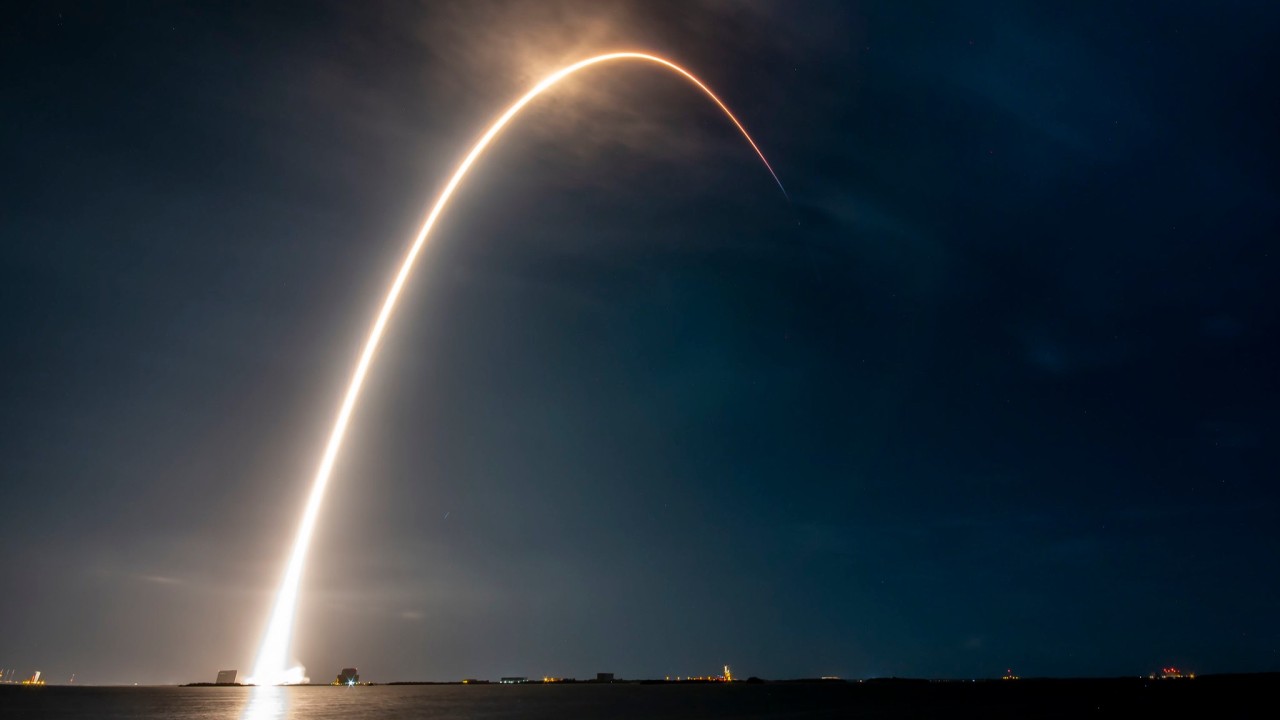
Intelsat IS-40e Mission by Official SpaceX Photos
It was the plan working, and most people get exactly the wrong lesson from it.
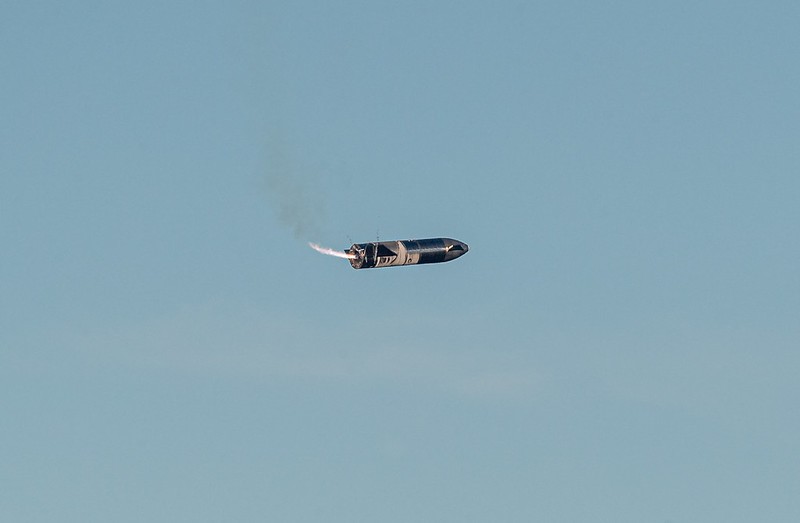
On 9 December 2020, SpaceX flew a rocket high above the Texas coast. It was made of stainless steel. It stood fifty metres tall. It climbed to about twelve kilometres. Then it shut off its engines, one by one. It tipped over onto its side. And it let itself fall.
The rocket was called SN8. It fell on its side for almost a minute. Four flaps were all that steered it. Near the ground it lit its engines again. It swung upright. Then it hit the landing pad too fast. The fireball was visible for miles.
SpaceX called the flight a success. They did not say this afterwards to save face. They said it before the flight, in writing. Their published position was clear. Success would not be measured by hitting every target. It would be measured by how much they learned. What they learned would make the next flights more likely to work (CNBC, 9 December 2020). Afterwards they said why it crashed, and they did not hide it. The fuel header tank ran low on pressure during the landing burn. That left the rocket without the thrust to slow down. Then they rolled out the next one.
"…a hard (and exciting!) landing."
I want to walk through what SpaceX actually decided here. Under the engineering there is a way of deciding. It is the one I teach. I did not learn it from SpaceX. It was drilled into me in a different domain, years before this rocket existed. But I watched that campaign, and I knew every move. There are three of them. SpaceX made all three in public, with the cameras running.
What does good look like
Every decision here comes from one picture. SpaceX fixed that picture long before SN8 left the pad. In their own words, Starship is a "fully reusable transportation system" for crew and cargo (SpaceX, via CNN). Both words matter. Fully means the booster and the ship both come back. Reusable means you fly it, land it, turn it round, and fly it again. Like an aeroplane.
Historically a space engineering team would ask: how do we land this thing safely? That is a different picture of good. And it gives different answers.
Take landing legs. If good means "land the rocket", legs are a must. Nobody would argue. But SpaceX had a different picture. Good meant "fly again within hours, as cheaply as possible". Against that picture, legs are dead weight. You carry them up and back on every flight. They need checking. You need a truck to move the rocket back to the pad. So the legs were not useful kit. They were a cost with no payoff. SpaceX removed them. Instead they built arms on the launch tower to catch the rocket. Now it comes home to the exact spot it left.
The way down works the same way. The Space Shuttle came home on wings and a runway. Wings are heavy. A normal rocket lands by burning fuel to slow down. That fuel comes straight out of your payload. SpaceX chose a third way. The rocket falls flat on its side, the way the company itself put it, like a skydiver. The air does the slowing, and air is free (CNN). The belly flop was not a stunt. It only makes sense if your picture of good is full reuse, not just a safe landing.
Here is the point, even if you never touch a rocket. What counts as a must in your plan depends on your picture. Set the picture too close, at "get through this quarter", and you will carry your own version of landing legs. Those are the things that feel like a must but are not. They came from an old picture nobody has checked. So the first move is always the same. Zoom out. Ask what good really looks like. Do that first, before you argue about what you need.
A worst case you can live with
SpaceX was not sure the belly flop would work. Before SN8 flew, the odds of a clean landing were put at one in three (Spaceflight Now). They flew it anyway.
That is not being reckless. The difference matters. Reckless is flying when the worst case is too bad, and just hoping. Over-thinking is refusing to fly until the odds are almost sure. And for most big decisions, they never are. SpaceX did a third thing. They shrank the worst case until it was tolerable, until they could live with it. Then they moved.
Look at what the worst case really was. The rockets were stainless steel, which is cheap and quick to build. They came off what was almost a production line. SN9 was nearly built while SN8 was still on the pad (Universe Today). No crew was on board. The pad was cleared. Sensors were everywhere. So the real cost of the flight was small. Lose one rocket out of a line of them, and keep all the data it gave you on the way down. They had already agreed they could live with that. That choice, not hope, is what let the rocket fly.
"Success is not measured by completion of specific objectives…"
Then the worst case happened. Four times. SN9 crashed in February 2021 when an engine failed to relight. SN10 landed in March. It came down hard, crushed its legs, and blew up on the pad minutes later. SN11 broke apart on the way down at the end of the month (Wikipedia flight history). Four losses in a row. And the team was never in crisis. Each loss sat inside a worst case they had already accepted. Then on 5 May 2021, SN15 flew the same path and landed clean (CNBC). Five months from the first try to a solved problem.
The nerve to fly SN8 did not come from being sure it would land. It came from a worst case they had already accepted. That is the whole point of commitment. You act when the worst case is one you can live with. You do not wait to be certain. Certainty is not coming, and waiting for it is just a slow way to never decide.
A step forward that keeps your options open
Look at what SN8's job really was. It was not "land the rocket". It was not "prove the whole programme". Its job was to answer one question. Can this rocket hold a steady flat fall and start the flip? It answered that. And the answer raised the next question: the header tank pressure during the landing burn. The fix flew on the next rockets. Each flight had one job and one question. The rest of the campaign was left open on purpose.
The header tanks are worth a moment. They show something people get wrong. Those small inner tanks were not a problem until the belly flop was chosen. Falling flat makes the fuel slosh away from the engines. So SpaceX kept a clean, settled supply just for the flip and the landing burn. Choosing the belly flop did not close the problem. It created the next one. That is normal. One decision does not end the story. It develops the story, which is why you do not agonise over the whole plan before you start.
And SpaceX still works this way today. The booster has been caught by the tower arms many times since October 2024. But the ship, the top part, has never been caught. Their plan this year is clear. They will not try to catch the ship on the tower until it has made two clean ocean landings first. The risk of a rocket breaking up over land is not one they will take yet (Teslarati, February 2026). Look at that as a way of deciding, and it fits. The ocean landings are the next step. They keep every option open. The land catch waits until the worst case is one they will accept. Nobody at SpaceX is trying to decide the tower catch now, while it is still far off. They make the decision in front of them, the next ocean landing. Then they let it lead to the one after.
The loop
Decide. Act. Look hard at what really happened. Decide again. SpaceX has now flown the full Starship stack twelve times. Seven worked. Five failed. The last flight, in May, lost its booster on the way back. The FAA wants a review before the next one flies (Spaceflight Now, May 2026). The system is not finished. The payload target for full reuse, 100 to 150 tonnes, is still a goal, not a proven number.
None of that weakens the case study. It is the case study. This method was never a promise of winning. It is the reason the programme keeps going after a loss. Every failure was one they could survive, and every failure taught them something. That is why five failures in twelve flights reads as a test programme, not a disaster.
"Starship 11 is not coming back. Don't wait for the landing."
You don't build rockets but this approach is still for you
You do not get four rockets to blow up. Almost nobody does. But the three moves SpaceX made do not need that budget. They cost nothing to use.
Zoom out and ask what good really looks like, before you argue about what you need. Half of what feels like a must came from a picture set too close. Then find the one step that answers your next question and keeps your options open. Take that step. Do not try to solve the whole thing from here. And act when the worst case is one you can live with, not when you are certain. In anything worth deciding, certainty is not on offer.
That is the question I want to leave you with. It is the one I ask before every decision that matters. What is the best next move I can live with, right now?
SpaceX answered it on 9 December 2020. That answer was a rocket exploding as it came in to land. And it was still the right answer.