What flying taught me about plans
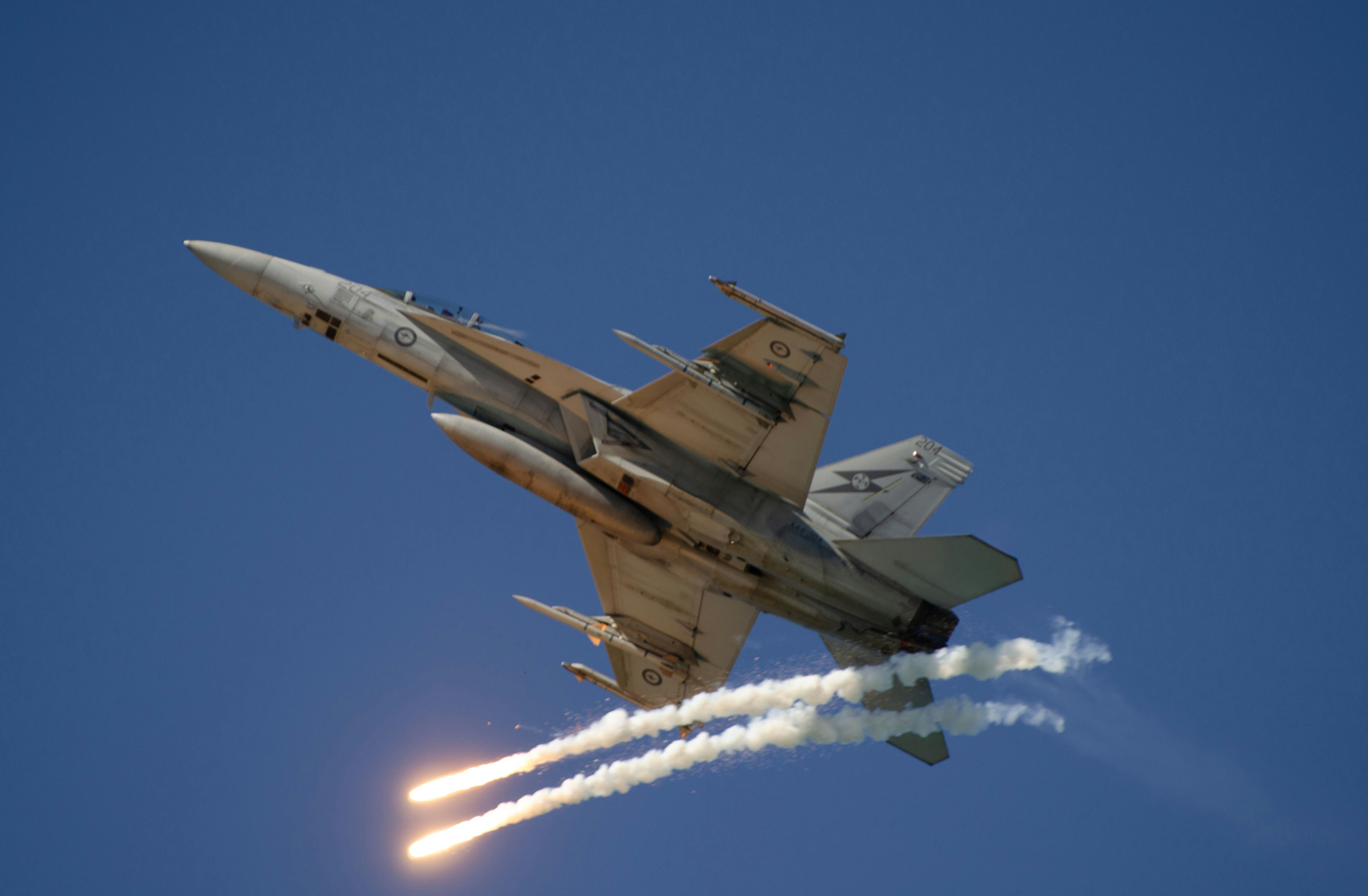
The mission was a 4-ship strike package. We had planned for 3 hours. Briefed for 1. We had walked through it during planning, in the brief, and in our heads as we walked out to the jets.
Before take off things weren't going well. I'd had to change jets with an unserviceability on startup. Climbing out, running across the pan in full kit, doing a fresh walk-around on the spare. The walk-around is safety-critical. You don't get to rush it. The start-up sequence, you do. Hot, sweaty, behind, trying to keep up.
Airborne, things didn't get much better. The weather was worse than we'd expected. We were re-routing uncomfortably close to restricted airspace, trying to rebuild the mission at 8 miles a minute.
We still made the strike. Landed back at base just over an hour later.
The brief we'd written had been useless 12 minutes after take-off. What got us through was everything we'd done before we strapped in.
I want to say I understood that in the cockpit. I didn't, really. I just did it. The understanding came later, watching people in business plan as if the plan was the deliverable.
Eisenhower said it cleaner than I can.
"In preparing for battle I have always found that plans are useless, but planning is indispensable."
— Dwight D. Eisenhower
The work of planning did 3 things for us that the plan itself couldn't.
It trained our judgement. Walking through the contingencies, even ones we never used, was rehearsal for the kind of thinking we'd need when something unexpected happened. (We rehearsed engine failures more than anything else. I never had one.) When the picture changes at 8 miles a minute, you don't have time to construct judgement from scratch. You have to have already done the thinking.
Less obvious: it built our shared picture. By the time we walked to the jets, all 4 of us saw the mission the same way. The target, the priorities, what we'd protect and what we'd accept losing. That shared picture is what kept the formation flying when the briefed plan started falling apart.
And it surfaced our assumptions. Every plan has them. Some are real, some are wishful. You only see them when you're forced to write them down. Half the value of a brief is the assumptions it exposes before you ever get airborne.
That's what most business plans miss. They get written to be executed, not to train the team that has to execute them. They get filed, referenced quarterly, protected from challenge. The part that actually does the work, the planning itself, gets treated as overhead.
A good plan should be detailed enough that the people executing it know it cold, and disposable enough that they can throw it away the moment it stops being true.
Three honest tests for whatever plan is sitting on your desk.
Can the team describe the shared picture without the plan in front of them?
Are the assumptions named on the page, or are they buried in the confidence of the people who wrote it?
Has anyone rehearsed the moment when it breaks?
If the answers are uncertain, the plan is doing less work than you think it is.
In the cockpit we'd already done that work. Most of the plans I see in business haven't.